
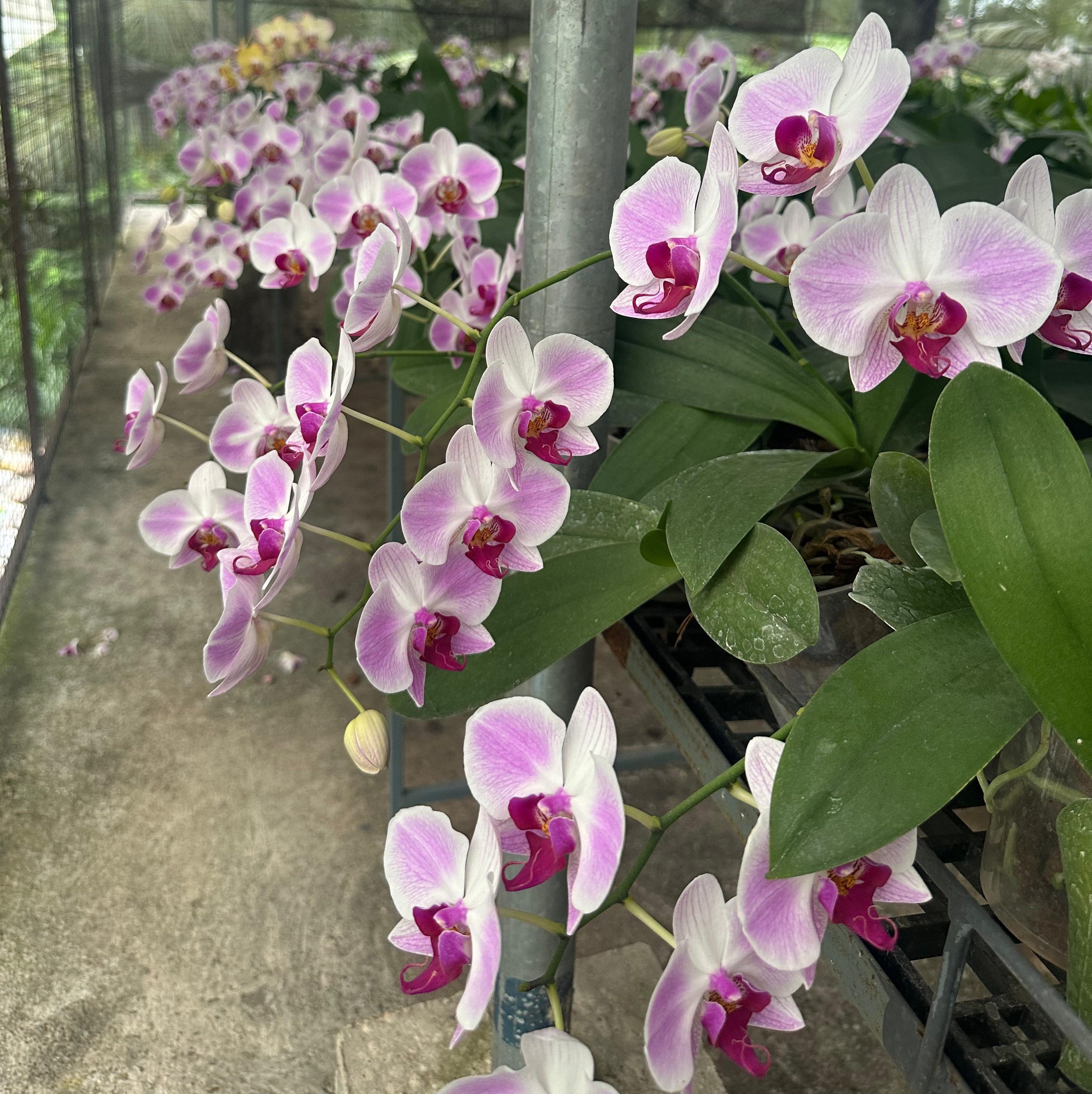
Phalaenopsis orchids, commonly referred to as moth orchids, are beloved for their striking and long-lasting flowers. Native to Southeast Asia, these tropical beauties have become popular houseplants due to their relatively low maintenance needs and adaptability to various light conditions.
Distinctive Features of Phalaenopsis Orchids
One of the standout qualities of Phalaenopsis orchids is their elegant, fragrant blooms. These flowers appear in a spectrum of vibrant hues, including white, pink, purple, and yellow. Their longevity, often lasting several weeks or even months, makes them a favorite for floral arrangements and thoughtful gifts.
Watering Guidelines
Proper watering is crucial for the healthy growth of Phalaenopsis orchids. Follow these steps to meet their hydration needs:
-
- Water only when the potting medium is dry, typically every 7–10 days.
-
- Use lukewarm water to avoid shocking the roots.
-
- Pour water gently over the potting medium, allowing excess to drain out from the bottom.
-
- Never let the orchid sit in water to prevent root rot.
-
- Apply a liquid fertilizer every other watering session.
-
- If using rainwater, check its pH and nutrient content before use.
-
- Ensure the medium dries out completely between watering sessions.
Light Requirements
Phalaenopsis orchids thrive in bright, indirect sunlight. Here are tips to ensure optimal lighting:
-
- Place them near a window with filtered light or in a well-lit area away from direct sun exposure, which can scorch their leaves.
-
- Rotate the pot occasionally to ensure all sides of the plant receive equal light.
Maintaining Humidity
Humidity plays a vital role in the well-being of these orchids:
-
- Maintain a humidity level between 50–70%.
-
- Use a humidifier or place the plant on a humidity tray if the environment is too dry.
Pest Management
Although generally low maintenance, Phalaenopsis orchids can attract pests like mealybugs and scale. Regularly inspect your plant and act promptly to prevent infestations:
-
- Use insecticidal soap, neem oil, or horticultural oils to address pest issues.
-
- Apply treatments carefully, following the product label, and avoid spraying flowers or buds directly.
Fertilization and Nutrition
Providing proper nutrients is essential for these orchids to thrive:
-
- Use a balanced orchid fertilizer containing nitrogen, phosphorus, potassium, magnesium, and calcium.
-
- Fertilize every two to four weeks during the growing season.
-
- Occasionally mist the roots with a diluted fertilizer solution for an extra nutrient boost.
Encouraging More Blooms
For abundant blooms, follow these growth tips:
-
- Provide bright, indirect light and maintain consistent care routines.
-
- Keep humidity within the optimal range and fertilize regularly.
-
- During fall and winter, reduce watering and fertilization, and place the plant in a cooler area to promote rest.
-
- Monitor the plant for pests and promptly address any issues.
Phalaenopsis orchids are a stunning and manageable addition to any home or garden. Their breathtaking flowers, coupled with their easy-to-care-for nature, make them ideal for both seasoned gardeners and beginners. Adding one of these beautiful plants to your collection is a delightful way to bring elegance and fragrance into your space.
With the right care and attention, your Phalaenopsis orchid will reward you with dazzling blooms that can brighten any room!